Read More
IRGC Attack in Egypt Raises a Question Trump Cannot Avoid
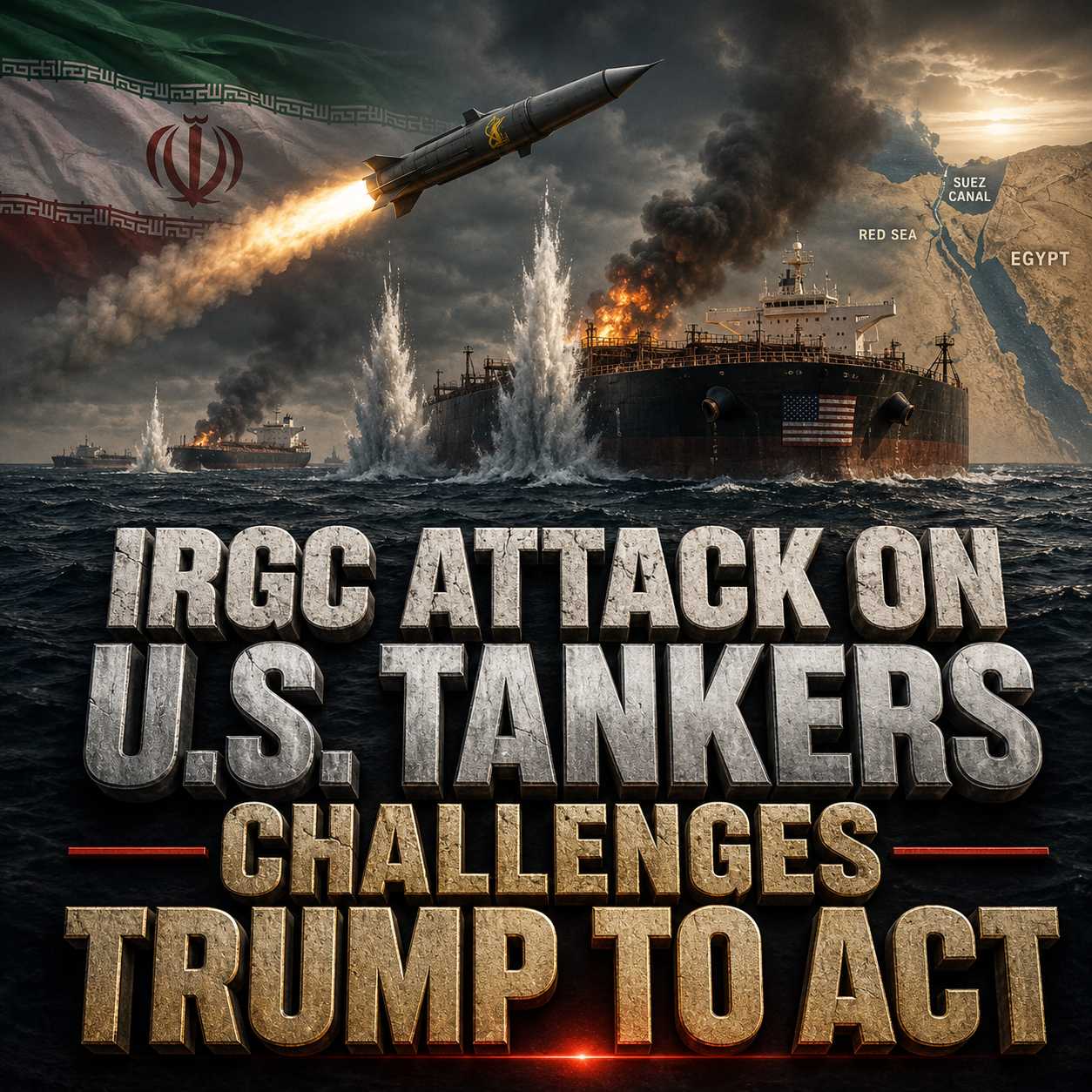
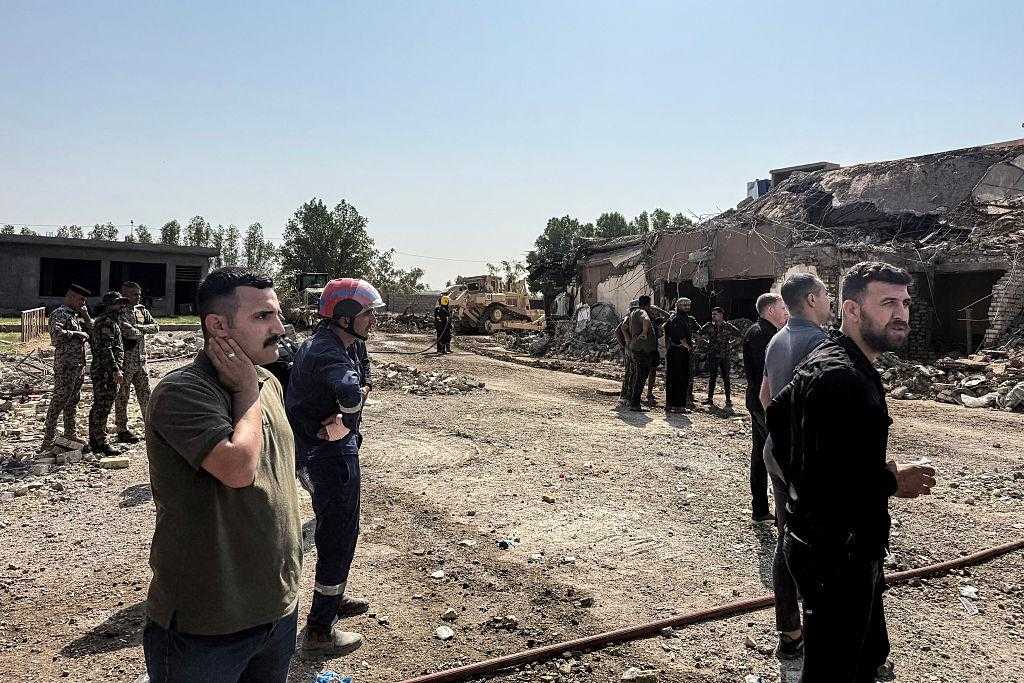
A drone strike damaged two gas vessels at Egypt’s Damietta port, including the U.S.-owned Energos Winter, opening another dangerous front near the Suez Canal. Egyptian authorities confirmed that an unidentified drone caused the fires, but no group has claimed responsibility and the IRGC’s involvement has not yet been conclusively established. Initial reporting, however, points to suspicion of forces connected to the Islamic Regime. The attack strengthens a reality Persians have understood for years: the Islamic Regime is no longer governed for the benefit of the country. Its direction is increasingly shaped by the IRGC—an armed ideological organization that spends Persia’s wealth on missiles, proxy forces and regional confrontation while protesters at home face imprisonment, execution and economic misery. President Trump must now decide whether continued negotiations can change a regime whose survival depends on violence at home and instability abroad. A temporary agreement may delay another attack, but it cannot resolve the deeper danger created by the IRGC’s control over the state. Trump once told Persian protesters that “help is on its way.” Those words created hope among people risking their lives against the dictatorship. The question now is whether Washington will continue seeking deals that preserve the same ruling system, or take meaningful action against the IRGC while supporting a Persian-led transition to a secular and democratic future. Trump’s earlier statement was made while encouraging anti-regime protests and announcing the cancellation of talks with regime officials. This is not a call to punish the Persian people for the regime’s actions. Any international response must distinguish civilians and protesters from the IRGC, target the machinery of repression and give Persians the political and practical support needed to reclaim their country.
Jul 30, 2026
Iran
.png)
.jpg)
From Library

Trending: